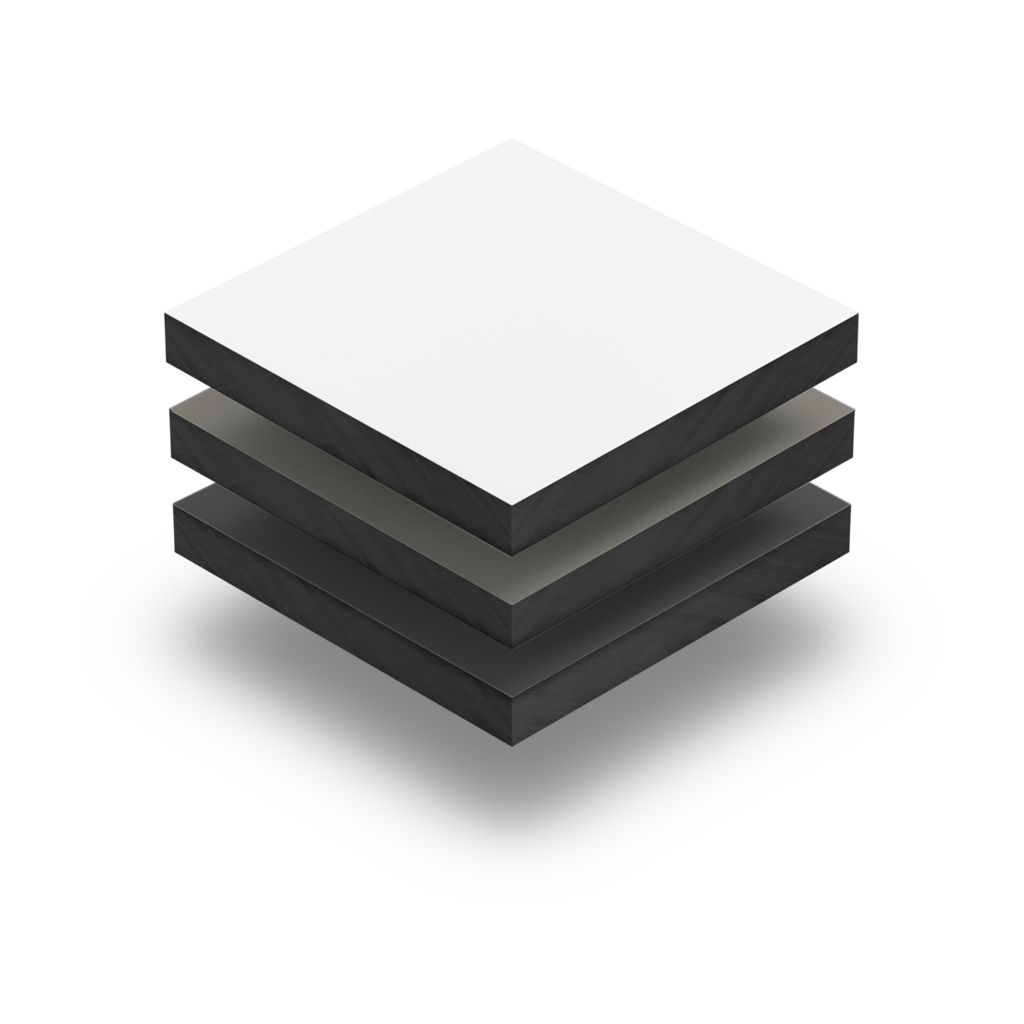
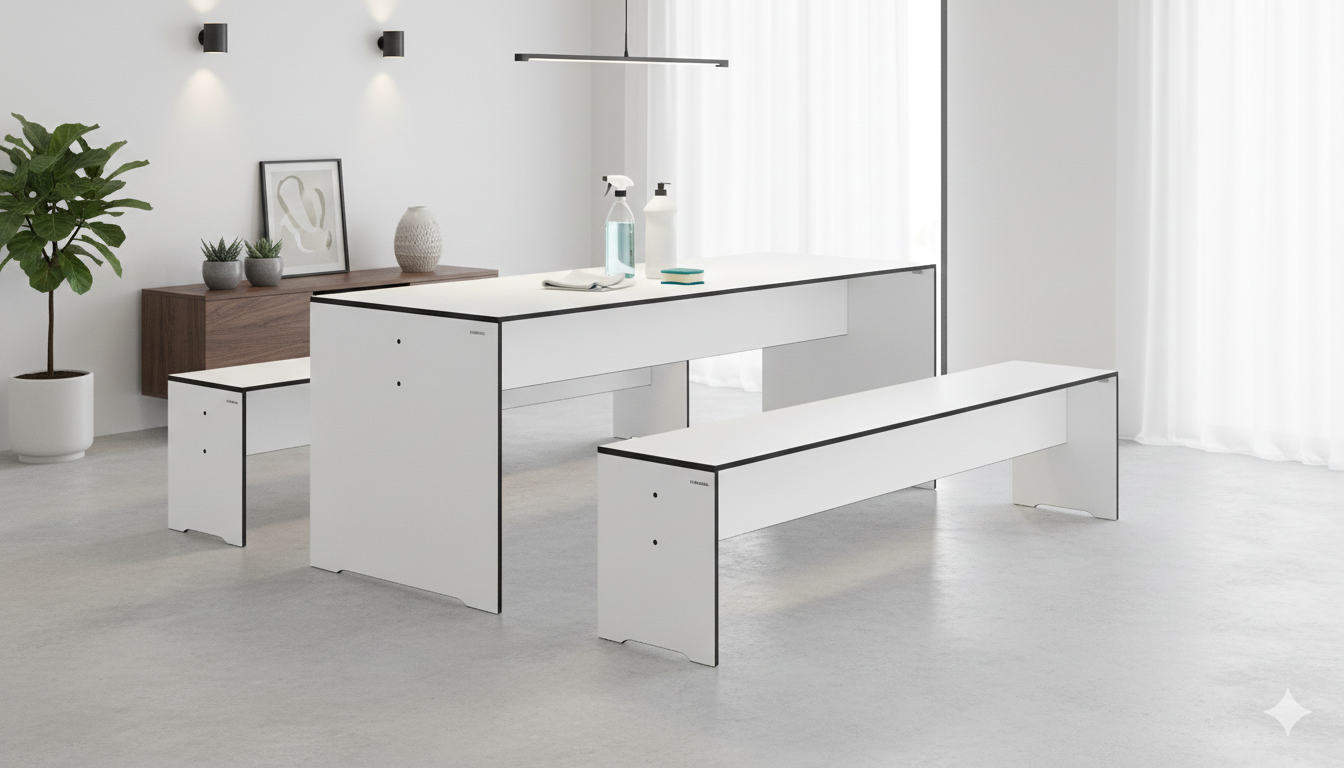
HPL ( High Pressure Laminate ) is one of the most durable materials used in modern furniture design. Our designer products are characterized by their extremely hard, non-porous surface, which is not only hygienic but also particularly easy to clean.
To ensure you enjoy the aesthetics and functionality of your HPL furniture for a long time, we have summarized the most important tips for cleaning and maintaining its value here.
Why HPL is so easy to care for
The surface of HPL is sealed, giving dirt and bacteria virtually no chance of penetrating. This makes it ideal for use in dining tables, kitchens, storage chests, or even in commercial settings.
Daily Cleaning
For normal cleaning, you don't need expensive specialty cleaners. HPL is inherently undemanding:
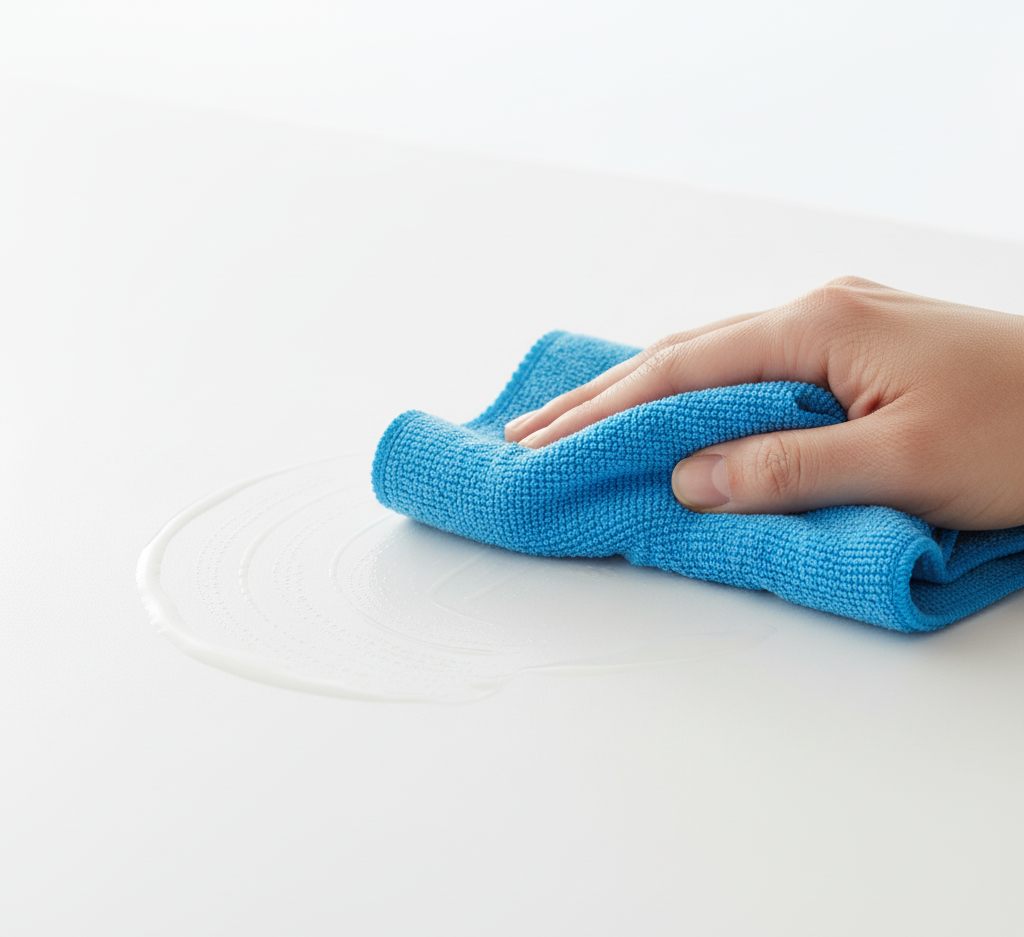
Simply wipe clean
Use a soft, clean microfiber cloth or a soft sponge with warm water.
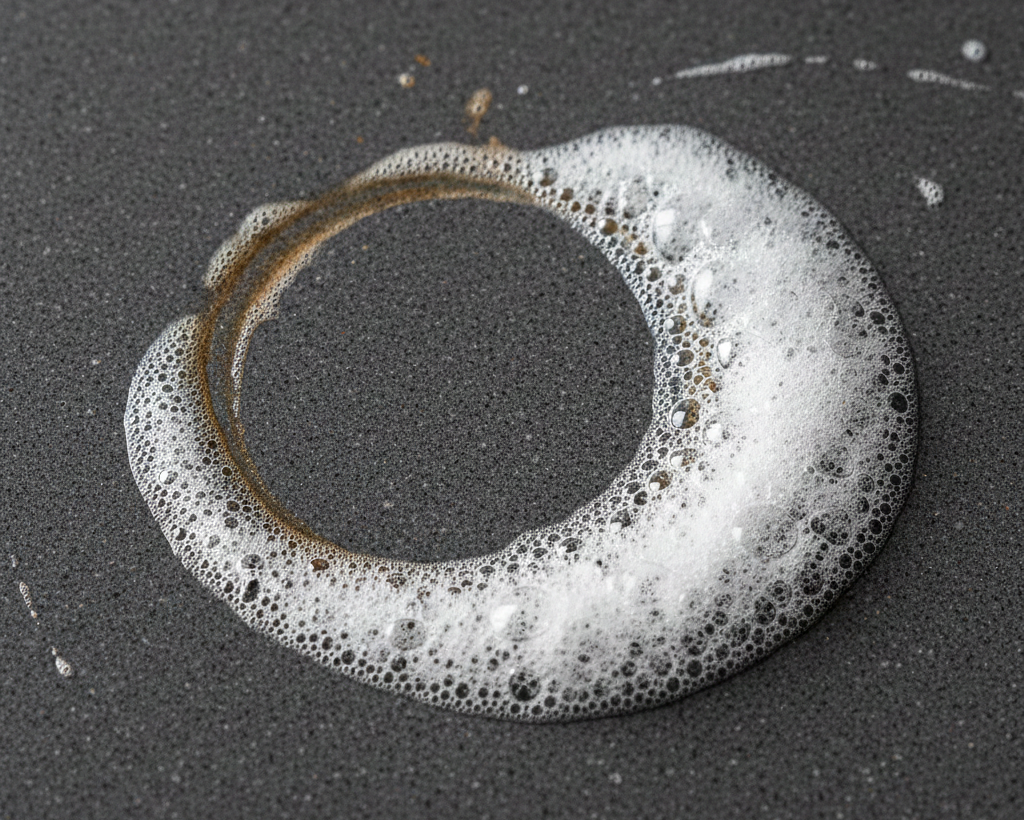
Mild cleaning agents
Warm water with a dash of standard dish soap or all-purpose cleaner is perfectly sufficient.
Drying is important
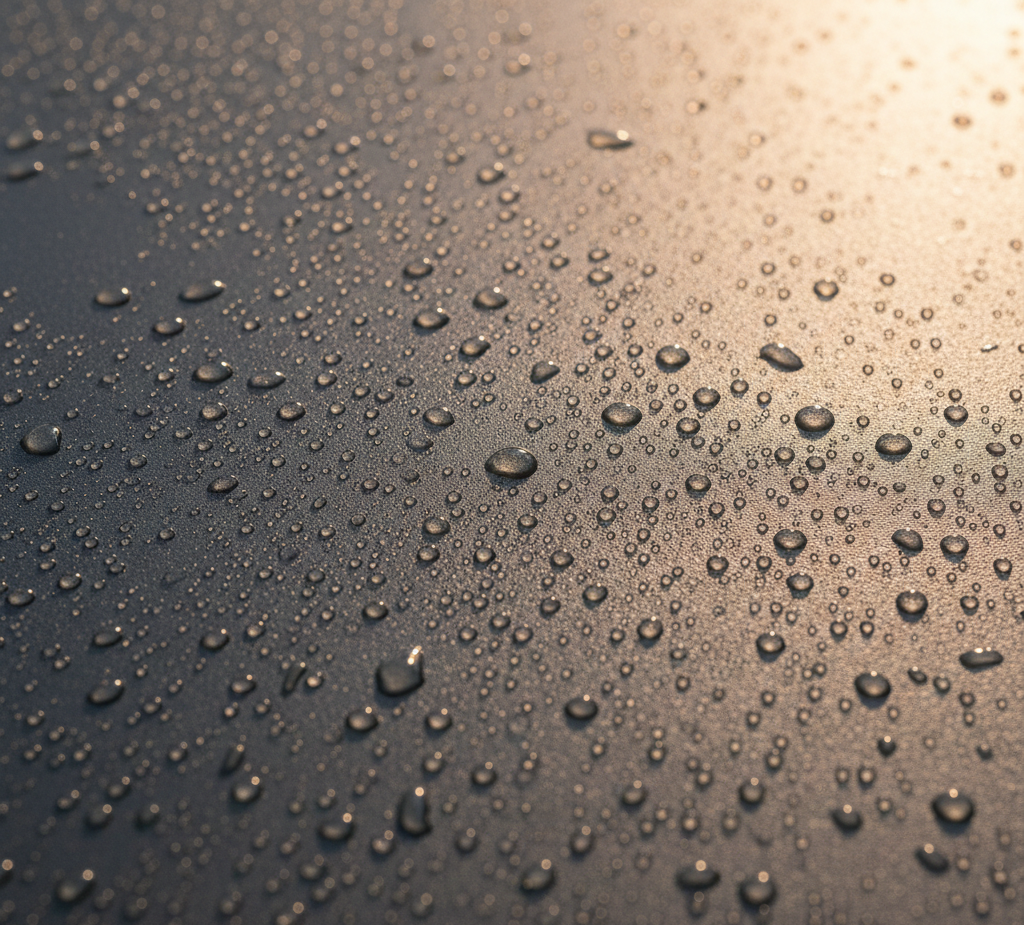
Always wipe with a clean cloth after cleaning. This will prevent limescale stains and streaks, especially on dark surfaces or in bright light.
Remove stubborn dirt
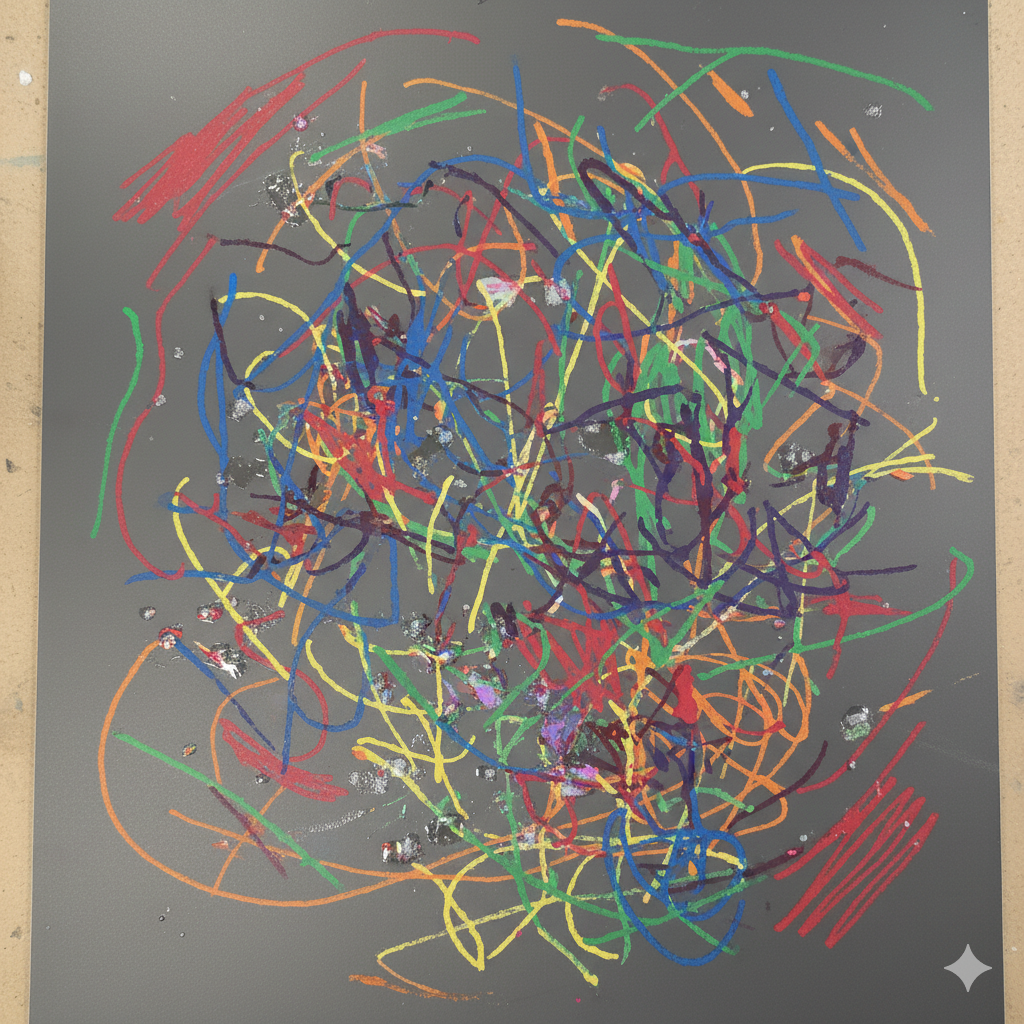
Should you encounter heavier soiling such as grease, felt-tip pen ink, or dried-on food residue, proceed as follows:
- Use commercially available glass cleaner or a concentrated soap solution.
- Allow the product to work briefly to loosen the dirt, but do not let it dry on the surface.
- For stubborn residues, a commercially available " magic sponge " will also help.
- For stubborn residues like glue or paint, carefully apply a small amount of rubbing alcohol or acetone to a cloth. Rinse the area thoroughly with clean water immediately afterwards.
Important care instructions: What you should avoid
Although HPL is extremely robust, there are mechanical and chemical influences that can damage the surface:
- Avoid abrasive cleaners: Do not use scouring cream, steel wool, or the rough side of scouring pads. These cause fine scratches that dull the surface and increase its susceptibility to dirt.
- No harsh acids: Aggressive descalers, drain cleaners or oven cleaners must not come into contact with the material, as they can permanently etch the surface.
- No waxes or polishes: HPL requires no additional sealant. Furniture polishes simply leave a sticky film that attracts dust and causes streaks.
- Protection from heat and cuts: Always use trivets for hot pots and cutting boards for knives. Direct heat exposure (thermal shock) or cuts can permanently alter the high-quality structure.
Refreshing
Over time, HPL surfaces or edges may lose some of their brilliance or become slightly greyish.
This is a natural aging process and does not constitute a technical defect . For visual restoration, the surface (including the edge) can optionally be treated with InnoPlast Protector (item no. 04.3155) from INNOTEC .
Application:
- 2-4 times per year
- After application, thoroughly clean the area with clean water.
- The product is available in many online shops.
FAQs
How do I remove limescale stains from HPL?
Use a mild, diluted vinegar solution or citric acid. Apply it briefly and rinse thoroughly with clean water.
May I use microfiber cloths?
Yes, high-quality, soft microfiber cloths are ideal for HPL. However, make sure that there are no hard particles (like sand) in the cloth that could cause scratches.
Are the edges of the products delicate?
The characteristic black or colored edges of our HPL panels are just as durable as the surface itself. Simply wipe them down during normal cleaning.
Conclusion
With minimal effort, the elegant appearance of your products will be preserved for decades. HPL is the perfect choice for anyone who values design and absolute durability.